Comprehensive Business Waste Removal Services in Stoke Newington
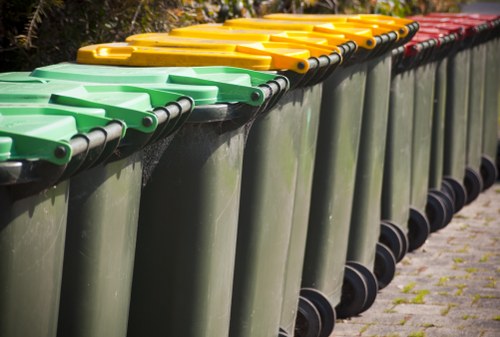
Managing waste effectively is crucial for businesses in Stoke Newington to maintain a clean and efficient work environment. Proper waste removal not only enhances the aesthetic appeal of your business premises but also ensures compliance with local regulations and promotes sustainability.
Businesses generate various types of waste, ranging from office paper and electronic waste to bulky items and hazardous materials. Effective waste management solutions are essential to handle these diverse waste streams responsibly.
Choosing the right waste removal service can make a significant difference in your business operations, cost management, and environmental impact.
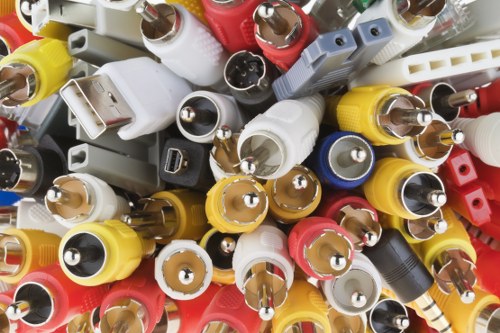
Why Effective Waste Removal is Essential for Businesses
Efficient waste removal offers multiple benefits to businesses in Stoke Newington:
- Maintains Hygiene: Regular waste disposal prevents the buildup of garbage, reducing the risk of pests and maintaining a sanitary environment.
- Compliance: Proper waste management ensures adherence to local laws and regulations, avoiding potential fines and legal issues.
- Cost Efficiency: Streamlined waste removal can lower operational costs by optimizing waste disposal processes and reducing unnecessary expenses.
- Environmental Responsibility: Sustainable waste practices minimize the ecological footprint of your business, contributing to environmental conservation.
In essence, effective waste removal is not just a necessity but a strategic component of successful business management.
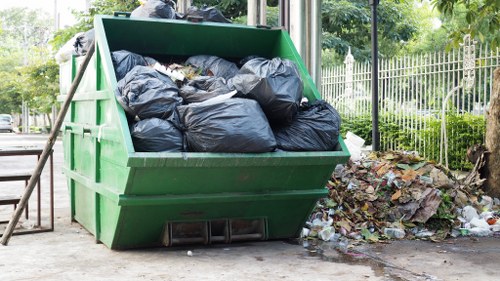
Types of Business Waste
Understanding the different types of waste your business generates is the first step towards effective waste management. Common categories include:
- General Waste: Non-recyclable and non-hazardous waste such as food scraps, packaging materials, and office paper.
- Recyclable Waste: Materials that can be reprocessed, including paper, cardboard, plastics, metals, and glass.
- Electronic Waste: Discarded electronic devices like computers, printers, and phones that require specialized disposal methods.
- Hazardous Waste: Dangerous substances such as chemicals, batteries, and fluorescent bulbs that need careful handling and disposal.
- Bulky Waste: Large items like furniture, machinery, and appliances that are not easily disposed of through regular waste streams.
Each type of waste requires specific handling and disposal techniques to ensure safety and compliance.

Choosing the Right Waste Removal Service in Stoke Newington
Selecting a reliable waste removal service is pivotal for seamless business operations. Here are key factors to consider:
- Service Range: Ensure the provider offers comprehensive waste management services tailored to your business needs, including recycling, hazardous waste disposal, and bulky item removal.
- Compliance and Certifications: Verify that the service complies with local regulations and holds necessary certifications for handling various waste types.
- Reliability: Choose a provider known for punctuality and consistency in waste collection schedules to avoid disruptions.
- Environmental Commitment: Opt for companies that prioritize sustainable practices, such as recycling and reducing landfill usage.
- Cost-Effectiveness: Compare pricing structures and ensure that the service offers value for money without compromising quality.
By evaluating these factors, businesses can partner with waste removal services that align with their operational and environmental goals.
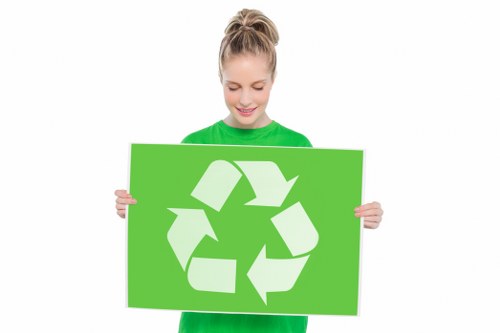
Benefits of Professional Waste Removal Services
Hiring professional waste removal services in Stoke Newington provides numerous advantages:
- Expertise: Professionals possess the knowledge and equipment to handle various waste types safely and efficiently.
- Time Savings: Outsourcing waste management allows businesses to focus on core activities, enhancing productivity.
- Flexible Scheduling: Services can be tailored to fit your business hours, ensuring minimal disruption to operations.
- Environmental Impact: Professional services often implement best practices for recycling and waste minimization, supporting sustainability efforts.
- Health and Safety: Proper waste handling reduces risks associated with improper disposal, safeguarding employee well-being.
These benefits collectively contribute to a more organized, compliant, and sustainable business environment.
Steps to Implement Effective Waste Management in Your Business
Integrating a robust waste management system involves several strategic steps:
- Waste Audit: Conduct a comprehensive assessment to identify the types and volumes of waste generated by your business.
- Set Goals: Define clear objectives for waste reduction, recycling, and disposal that align with your business goals.
- Develop a Plan: Create a detailed waste management plan outlining the procedures for waste segregation, collection, and disposal.
- Choose a Service Provider: Partner with a reputable waste removal company that meets your specific needs and sustainability targets.
- Educate Employees: Train staff on proper waste handling practices and the importance of adhering to the waste management plan.
- Monitor and Review: Regularly evaluate the effectiveness of your waste management strategies and make necessary adjustments.
Implementing Recycling Programs
Recycling is a cornerstone of sustainable waste management. Implementing effective recycling programs can significantly reduce the amount of waste sent to landfills. Businesses can:
- Provide clearly labeled recycling bins for different materials.
- Partner with recycling facilities to ensure proper processing of recyclable materials.
- Encourage employees to participate actively in recycling initiatives.
Handling Hazardous Waste Safely
Hazardous waste requires specialized handling to prevent environmental contamination and health risks. Businesses should:
- Identify and segregate hazardous materials from general waste.
- Use appropriate containers and labeling for hazardous substances.
- Work with certified waste removal services to ensure compliant disposal.
Cost Factors in Business Waste Removal
Several factors influence the cost of waste removal services for businesses:
- Volume of Waste: Larger volumes may require more frequent pickups or larger containers, affecting pricing.
- Type of Waste: Hazardous or specialized waste can incur additional handling and disposal fees.
- Service Frequency: More frequent pickups increase the overall cost but ensure timely waste management.
- Location: Proximity to the waste removal facility can impact transportation costs.
- Contract Terms: Long-term contracts might offer discounted rates compared to short-term agreements.
Understanding these factors helps businesses budget effectively for their waste management needs.
It's advisable to obtain quotes from multiple providers and compare their services to find the best fit for your budget and requirements.
Environmental Impact of Business Waste
Business waste significantly contributes to environmental challenges such as pollution, resource depletion, and greenhouse gas emissions. Effective waste management practices can mitigate these impacts:
- Reducing Landfill Usage: By recycling and reusing materials, the amount of waste directed to landfills is minimized.
- Conserving Resources: Recycling conserves natural resources by reprocessing materials for future use.
- Lowering Carbon Footprint: Efficient waste management reduces emissions associated with waste transportation and processing.
Businesses play a pivotal role in promoting environmental sustainability through responsible waste management.
Innovative Waste Management Solutions
Advancements in waste management technologies offer businesses innovative ways to handle waste more effectively:
- Automated Sorting Systems: Improve the efficiency of recycling processes by accurately sorting different types of waste.
- Waste-to-Energy Technologies: Convert waste materials into usable energy, reducing reliance on traditional energy sources.
- Smart Waste Bins: Equipped with sensors to monitor fill levels, optimizing collection schedules and reducing unnecessary pickups.
Integrating these technologies can enhance waste management strategies, leading to better outcomes for businesses and the environment.
Legal Requirements for Waste Management
Businesses in Stoke Newington must comply with various legal requirements related to waste management. Non-compliance can result in hefty fines and damage to your business reputation. Key regulations include:
- Waste Disposal Licensing: Certain types of waste removal require licenses to ensure proper handling and disposal.
- Reporting Obligations: Businesses may need to report the types and amounts of waste they generate to local authorities.
- Health and Safety Laws: Proper waste handling is essential to comply with occupational health and safety standards, protecting employees from potential hazards.
Staying informed about and adhering to these regulations is essential for lawful and efficient waste management.
Penalties for Non-Compliance
Failure to comply with waste management laws can lead to severe consequences, including:
- Financial penalties and fines.
- Legal action against the business.
- Reputational damage affecting customer trust and business relationships.
Ensuring compliance protects your business from these risks and fosters a responsible corporate image.
Sustainable Practices in Business Waste Management
Adopting sustainable waste management practices not only benefits the environment but also enhances your business's reputation and operational efficiency. Key sustainable practices include:
- Waste Minimization: Reducing the amount of waste generated through efficient resource utilization and process optimization.
- Recycling and Reuse: Implementing robust recycling programs and promoting the reuse of materials to extend their lifecycle.
- Eco-Friendly Materials: Using sustainable and biodegradable materials reduces environmental impact.
- Energy-Efficient Waste Processing: Utilizing energy-efficient technologies and processes in waste handling and disposal.
These practices contribute to a circular economy, where resources are continuously reused and recycled, minimizing waste and conserving natural resources.
Case Studies: Successful Business Waste Removal in Stoke Newington
Examining successful waste removal initiatives can provide valuable insights for businesses aiming to enhance their waste management strategies.
Case Study 1: Office Workspace Transformation
A local office in Stoke Newington partnered with a professional waste removal service to streamline its waste handling processes. By conducting a comprehensive waste audit, they identified key areas for improvement and implemented a recycling program tailored to their specific waste streams. The result was a significant reduction in general waste and increased recycling rates, leading to cost savings and a greener office environment.
Case Study 2: Retail Store Sustainability
A retail store adopted sustainable waste management practices by incorporating energy-efficient waste processing technologies and promoting the use of eco-friendly packaging materials. Working closely with their waste removal provider, they ensured proper disposal and recycling of packaging waste, contributing to their sustainability goals and enhancing their brand image among environmentally conscious consumers.
These case studies highlight the tangible benefits of effective waste removal services, including operational efficiency, cost savings, and positive environmental impact.
Future Trends in Business Waste Removal
The landscape of business waste removal is continually evolving, driven by technological advancements and increasing environmental awareness. Future trends include:
- Advanced Recycling Technologies: Innovations in recycling processes that enable the processing of a wider range of materials more efficiently.
- Automation and AI: Utilizing artificial intelligence and automation to optimize waste sorting, collection, and processing, enhancing efficiency and accuracy.
- Circular Economy Models: Emphasizing the reuse and recycling of materials to create closed-loop systems, reducing waste and resource consumption.
- Blockchain for Transparency: Implementing blockchain technology to ensure transparent and traceable waste management practices, enhancing accountability.
Staying abreast of these trends allows businesses to adopt forward-thinking waste management strategies that align with future sustainability goals.
Embracing Digital Solutions for Waste Management
Digital solutions are transforming waste management by providing tools for better tracking, reporting, and optimization:
- Waste Management Software: Platforms that offer real-time monitoring of waste levels, scheduling pickups, and generating reports to streamline operations.
- Mobile Applications: Apps that facilitate easy communication between businesses and waste removal services, enabling efficient scheduling and tracking.
- Data Analytics: Leveraging data to analyze waste generation patterns, identify inefficiencies, and implement data-driven improvements.
Incorporating digital tools enhances the effectiveness of waste management programs, leading to smarter and more sustainable business practices.
Conclusion
Effective business waste removal in Stoke Newington is a critical component of responsible and sustainable business operations. By partnering with reputable waste removal services, implementing robust waste management strategies, and embracing sustainable practices, businesses can achieve operational efficiency, cost savings, and environmental stewardship.
Investing in comprehensive waste management not only ensures compliance with local regulations but also fosters a positive corporate image and contributes to the broader goal of environmental sustainability.
Contact us today to learn more about our tailored business waste removal services and take the first step towards a cleaner, greener, and more efficient business environment.
