Clissold Park bulky rubbish pickup options Stoke Newington: a practical guide for clearing large items without the stress
If you're looking at a broken wardrobe, an old sofa, a pile of garden cuttings, or the aftermath of a tidy-up and wondering what to do next, you're not alone. Clissold Park bulky rubbish pickup options Stoke Newington can feel confusing at first, especially when the items are too big for normal bins and you want them gone quickly, properly, and without upsetting the neighbours. This guide walks through the realistic options, what to expect, and how to choose the right approach for your situation.
Whether you're clearing a flat near the park, emptying a garage, or dealing with a one-off bulky load after a move, the goal is usually the same: make it simple, legal, and cost-effective. Let's face it, nobody wants a hallway full of unwanted furniture for another week.
Why Clissold Park bulky rubbish pickup options Stoke Newington Matters
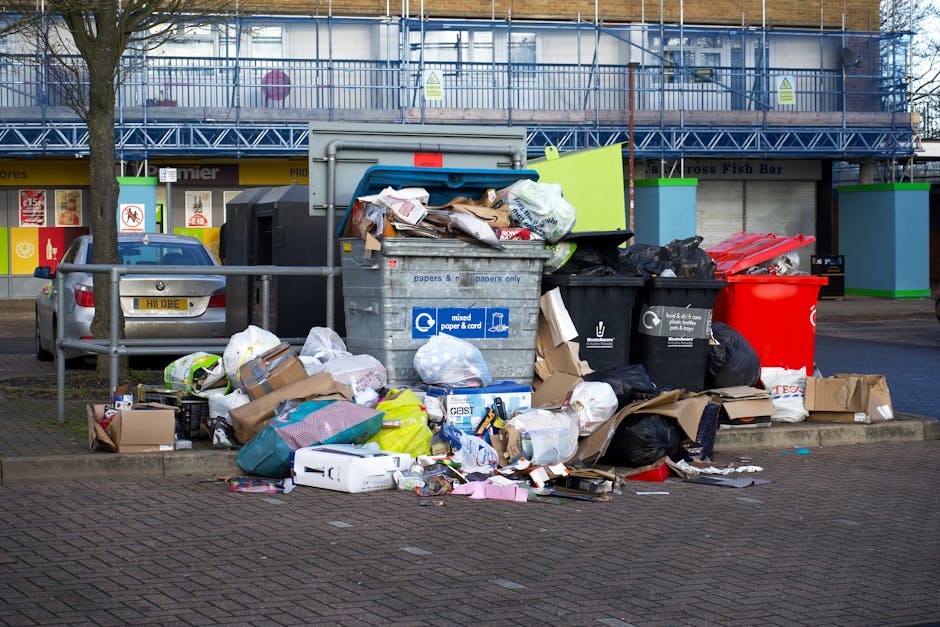
Bulky waste is different from everyday rubbish. A mattress, fridge, sofa, desk, broken shelving, or heavy garden waste needs a plan. In a busy part of London, that matters even more because access can be tight, parking is often limited, and you may not have much room to stage items before collection. A load that seems small in the morning can become a nuisance by tea time if it is sitting in the wrong place.
Clissold Park bulky rubbish pickup options Stoke Newington also matter because the wrong disposal method can create avoidable hassle. You might face delays, extra lifting, missed collections, or the temptation to dump items somewhere they do not belong. Nobody wants that, and frankly it's not worth the risk.
There is also a practical side to all this: bulky items often contain materials that should be handled carefully, such as metal, glass, electrical parts, foam, and sometimes refrigerant gases in appliances. Choosing a proper pickup route helps reduce mess, improve recycling, and keep the job moving with fewer surprises.
Quick takeaway: the best option is usually the one that matches your item type, access, timing, and budget. Not the fanciest option. The right one.
How Clissold Park bulky rubbish pickup options Stoke Newington Works
In simple terms, bulky rubbish pickup means removing large items that won't fit in normal household waste collections. The process can be as basic as booking a collection, or as involved as arranging a full clearance of mixed items from inside a property.
For many people, the process begins with sorting what needs to go. A good sort saves time later. A sofa that can be broken down, a table with detachable legs, or a pile of mixed household goods will all affect how the job is priced and handled. If you're not sure what counts as bulky waste, a helpful place to start is general waste removal guidance, which gives a broader sense of the service type.
From there, most pickup options follow a pattern:
- You describe the items, access, and location.
- You get a quote or an estimate.
- A collection time is arranged.
- The team removes the items, usually from kerbside or from inside the property depending on the service.
- The waste is sorted for reuse, recycling, or disposal.
That sounds straightforward, and often it is. But the details matter. Ground floor access is very different from carrying a heavy wardrobe down two narrow flights of stairs. A wet Tuesday morning near the park is different from a calm weekday afternoon. Little things change the whole job.
If you're dealing with furniture specifically, it may help to look at furniture clearance or furniture disposal for a more targeted approach. For mixed household contents, home clearance or house clearance can be a better fit.
Key Benefits and Practical Advantages
There's more to bulky rubbish pickup than simply "getting rid of stuff." The right option can save time, reduce lifting, and make the whole process feel far less chaotic.
- Speed: bulky items can often be cleared much faster than arranging multiple small trips yourself.
- Less physical strain: no wrestling a wardrobe into a hatchback or trying to wedge a sofa through a doorway at awkward angles.
- Cleaner space: a quick pickup helps you reclaim rooms, hallways, garages, or gardens sooner.
- Better recycling outcomes: a reputable waste service will usually separate reusable and recyclable materials where possible.
- Less risk of damage: professional removal reduces the chance of scratching floors, walls, or stair rails.
- Better for busy households: if you're moving, renovating, or preparing for guests, you need the clutter gone, not "maybe next week."
For some people, the real benefit is mental. A clear room changes the feel of the whole place. The clunk of a heavy item being carried out, the sudden echo in the hallway, the space opening up again... it's oddly satisfying.
If the bulky item is a sofa or mattress, you may also want to review mattress and sofa disposal because these items are common, awkward, and often need special handling.
Who This Is For and When It Makes Sense
This kind of collection makes sense for a wide range of people. In our experience, the same question comes up from very different situations: "Can you just take this all away?" Usually, yes - but the best method depends on what's being removed.
It's often the right choice if you are:
- moving out of a flat and need old furniture removed quickly
- clearing a spare room, loft, or garage
- replacing old appliances or white goods
- tidying after decorating or minor building work
- clearing a garden corner full of broken pots, timber, or outdoor furniture
- dealing with inherited belongings or a partial property clearance
It may also be useful for landlords, letting agents, and local businesses with bulky items that can't stay on-site. For commercial settings, business waste removal and office clearance may be more relevant than a standard household collection.
And if you're looking at a garage full of old bits and pieces, garage clearance can be a neat middle ground between a single-item pickup and a full house empty.
Step-by-Step Guidance
Here's a sensible way to handle bulky rubbish without turning it into a weekend project that grows legs.
- List everything that needs to go. Be specific. "Sofa, coffee table, two chairs, broken fan heater, and a dismantled wardrobe" is much more useful than "a few bits."
- Separate hazardous or restricted items. Keep paints, chemicals, gas bottles, and anything that may need special handling away from general waste. If in doubt, treat it separately and ask first. For those cases, hazardous waste disposal is the safer reference point.
- Check access. Note stairs, lifts, narrow hallways, parking constraints, and whether the items are inside or outside.
- Decide whether items can be dismantled. A flat-pack wardrobe taken apart may be easier and cheaper to remove than a whole unit.
- Request a clear quote. Pricing is usually influenced by volume, item type, labour, and access. If you want to understand quotation structures more clearly, have a look at pricing and quotes.
- Prepare the space. Move small loose objects, protect fragile items, and make a route clear to the door.
- Confirm what happens on collection day. Ask whether the team will remove items from inside, from kerbside, or from a specific area only.
- Ask about sorting and recycling. It's a good sign when a provider can explain where items may be reused, recycled, or responsibly disposed of.
Simple job, better result. That's really the pattern here.
Expert Tips for Better Results
A little preparation goes a long way. If you want the pickup to feel smooth rather than chaotic, keep these practical tips in mind.
- Photograph the items before booking. A few clear pictures help avoid misunderstandings and can speed up quoting.
- Measure large items. Door widths, stair turns, and lift sizes can matter more than you think.
- Keep similar items together. Group furniture, appliances, and loose waste separately if possible.
- Think in advance about recycling. Metal frames, wood, textiles, and appliances may be handled differently.
- Choose a calm time slot if you can. A less rushed collection is often easier for everyone, especially in a busy neighbourhood.
- Ask questions early. It's better to clarify tricky items before collection than at the front door with the kettle on and a driver waiting.
If your bulky rubbish includes old appliances, it is worth checking fridge and appliance removal. Fridges, freezers, and similar items often need particular handling and should not be treated like plain furniture.
One small but important tip: if the item is heavy and awkward, do not leave it balancing in the doorway "just for a second." That's how backs get tweaked and walls get marked. Not worth it.
Common Mistakes to Avoid
A lot of collection problems come down to the same few mistakes. The good news is they're easy to avoid once you know what to watch for.
- Underestimating the volume. What looks like two items can turn into four loads once you start moving things around.
- Forgetting access issues. Narrow stairs, locked gates, no parking, or blocked routes can slow everything down.
- Mixing prohibited items with general waste. This is especially risky with chemicals, sharp objects, or appliances containing specialist components.
- Leaving sorting until collection day. That's how a simple pickup becomes a stressful one.
- Choosing purely on price. Cheapest is not always best if the service is unclear or the quote excludes labour and loading.
- Assuming every bulky item is treated the same. A mattress, a fridge, and a sack of garden waste are not identical jobs.
If you're clearing the aftermath of a DIY project, builders waste clearance is often more appropriate than a basic household pickup. That distinction saves a lot of headaches.
Truth be told, most "surprises" are only surprises because they were not mentioned early enough.
Tools, Resources and Recommendations
You do not need a van, a trailer, or a heroic attitude to manage bulky rubbish well. You mostly need a few practical tools and the right expectations.
- Tape measure: helpful for doors, stair bends, and item dimensions.
- Phone camera: useful for documenting items before collection.
- Labels or sticky notes: handy if several people in the property are sorting items.
- Gloves: sensible for broken edges, dusty loft items, or garden waste.
- Heavy-duty bags or boxes: useful for loose items that would otherwise scatter.
For items from storage areas, loft clearance and garage clearance can be worth exploring because they usually deal with the awkward, forgotten stuff that accumulates over time.
If your job involves a whole property rather than isolated bulky items, flat clearance or home clearance may be better suited. The service choice matters more than people realise. It affects price, timing, and how much lifting you have to do yourself.
Also, if sustainability matters to you - and it should, really - read through recycling and sustainability. It gives a clearer sense of how responsible waste handling fits into the bigger picture.
Law, Compliance, Standards, or Best Practice
When you're dealing with bulky rubbish in London, the main thing is to make sure the waste is handled responsibly and by a proper route. While the exact rules depend on the item and the service provider, a few best-practice points always apply.
First: do not abandon bulky waste on the street or outside without checking the agreed collection arrangements. Unattended items can create obstruction and complaints very quickly, especially in busy residential streets.
Second: if you have appliances, electricals, chemicals, or other potentially sensitive materials, make sure they are identified properly. Some items need separate processing, and mixing them with general waste is not a good idea.
Third: use a provider that can explain how waste is handled after collection. A trustworthy service should be able to talk plainly about loading, sorting, recycling, and safe disposal without sounding vague or defensive.
It is also sensible to look for clear operational policies. Pages such as health and safety policy, insurance and safety, and payment and security are useful trust signals because they show the business has thought through the practical side of the service.
For larger or mixed clearances, it is normal to expect a service provider to work with care around access, lifting, and sorting. That's the standard you should look for. Not a vague promise. Clear, steady, professional handling.
Options, Methods, or Comparison Table
There are several ways to deal with bulky rubbish in and around Clissold Park. The best one depends on how much you're clearing, how quickly it needs to go, and how much effort you want to put in yourself.
| Option | Best for | Pros | Limitations |
|---|---|---|---|
| Single bulky item pickup | One sofa, mattress, appliance, or similar item | Simple, quick, minimal planning | Less efficient for mixed loads |
| Mixed waste removal | Several bulky items plus general rubbish | Flexible and efficient for varied loads | Needs clearer sorting before collection |
| Furniture-focused clearance | Old home furnishings | Good for sofas, tables, wardrobes, beds | Not ideal for hazardous or specialist items |
| Home or flat clearance | Rooms, flats, or whole-property clear-outs | Broad coverage, less hassle | May be more than you need for one item |
| DIY disposal | Small loads with vehicle access and time | Can suit some people | Time-consuming, lifting-heavy, and less convenient |
For many local households, the sweet spot is somewhere between single-item removal and a fuller clearance. If you only have two or three large items, don't overcomplicate it. If you have a room full of old furniture, don't pretend it's a "quick job."
And if you want a clearer sense of what can go into a vehicle-based collection compared with skip-style options, what can go in a skip is a useful reference point for thinking through waste categories, even if you are not actually booking a skip.
Case Study or Real-World Example
Imagine a flat near Clissold Park after a long-overdue clear-out. There's a two-seater sofa, a mattress, a broken desk chair, a small chest of drawers, and a few bags of mixed household clutter. Nothing unusual. Just one of those jobs that slowly builds up over months, then suddenly feels urgent when you finally open the spare room door and think, "Right. That's enough."
The practical way to handle it is to group the items, take a few photos, note the access details, and book the collection as a mixed bulky load. If the sofa is in good enough condition for reuse, that may influence how it is treated. If the mattress is badly worn, it will likely need separate disposal handling. If the desk has been dismantled already, great - one less thing to wrestle with.
What made this kind of collection smooth, in the real world, was not magic. It was simply preparation. The hallway was cleared. The lift was checked. The access note was accurate. Nobody had to reshuffle half the flat at the door. Small wins, but they matter.
That's usually the lesson with bulky waste: the less guesswork on collection day, the better everything goes.
Practical Checklist
Use this checklist before booking a pickup:
- List every bulky item clearly.
- Separate general bulky waste from hazardous or specialist items.
- Measure the largest items and note access points.
- Take photos if the load is mixed or awkward.
- Decide whether any furniture can be dismantled safely.
- Clear a path to the collection point.
- Confirm whether the team will collect from inside or outside.
- Ask how the waste will be sorted or recycled.
- Check quote terms carefully.
- Pick a time when the property is accessible and calm.
If you are dealing with a large, mixed, or time-sensitive load, it can help to speak with a provider that offers dedicated furniture disposal, builders waste clearance, or house clearance depending on what is actually there. The right fit saves time, and a fair bit of frustration too.
Conclusion
Clissold Park bulky rubbish pickup options Stoke Newington are really about choosing the simplest safe path for the items you have, the space you're working with, and the time you can spare. Some jobs call for a single-item collection. Others are better handled as a mixed waste removal or a fuller clearance. The key is to be honest about the load, clear about access, and realistic about the effort involved.
Handled properly, bulky waste removal becomes much less of a headache. The room clears, the path opens up, and you get your space back without a drawn-out ordeal. That relief is real. And if you've ever stood in a hallway surrounded by old furniture, you already know the feeling.
Get a free quote today and see how much you can save.
When the clutter is finally gone, the whole place breathes a little easier. It's a small win, but sometimes that's exactly what you need.
Frequently Asked Questions
What counts as bulky rubbish in Stoke Newington?
Bulky rubbish usually means items too large or awkward for normal household bins, such as sofas, mattresses, wardrobes, tables, large appliances, and mixed household clutter. If it takes two people to move it comfortably, it is probably bulky enough to need a dedicated pickup option.
Can I book a pickup for just one item?
Yes, a single-item pickup is often the simplest option for one sofa, mattress, appliance, or similar large object. It is usually best to be specific about the item type so the service can give an accurate quote and allocate the right vehicle and labour.
Is furniture clearance better than general waste removal?
It depends on what you are clearing. If most of the load is furniture, a furniture-focused service is usually more efficient. If you have mixed household rubbish, packaging, loose items, and furniture together, general waste removal may be the better fit.
What should I do with a fridge or freezer?
Fridges and freezers should be handled as appliance waste rather than mixed bulky rubbish. They often need separate processing, so it is sensible to identify them clearly in advance and use a service that deals with appliance removal.
Can bulky rubbish be collected from inside my property?
Often yes, but this depends on the service and the access conditions. Stairs, lifts, tight hallways, and parking can all affect how the collection is carried out. It is best to confirm this before booking so there are no surprises on the day.
How do I prepare for a bulky rubbish pickup?
Make a list of items, clear a route to the door, measure large objects, and separate anything hazardous or special-handling. A few photos can help too. The more clearly you prepare, the smoother the collection will usually be.
What happens to the waste after collection?
Responsible providers will sort collected waste so that reusable or recyclable materials can be separated where possible. Some items may be reused, some recycled, and the remainder disposed of through the correct route. The exact process depends on the item type and condition.
Are there any items that need special handling?
Yes. Hazardous materials, chemicals, certain electrical items, and appliances may need separate handling. If you are unsure whether an item is restricted, do not mix it with general bulky waste. Ask first and keep it separate.
How much notice do I need to give?
That varies by provider and workload, but it is generally sensible to book as early as possible, especially if you need a preferred time or have limited access. In busy areas, a little notice helps a lot.
Is it cheaper to dismantle furniture myself?
Sometimes, yes, because dismantled items can be easier to move and may reduce labour time. But only do this if it is safe and practical. If a wardrobe comes apart cleanly, great. If not, forcing it can create more trouble than it solves.
What if my load includes garden waste and old furniture?
That is common enough. Mixed loads can often be handled together, but it helps to separate the garden waste from the furniture so the team can plan the collection correctly. For more garden-specific situations, garden clearance may be more suitable.
How do I choose the best bulky rubbish pickup option near Clissold Park?
Start with the type and amount of waste, then think about access, speed, and budget. For one or two items, a simple pickup may be enough. For a mixed or room-by-room clear-out, a broader clearance service is usually better. If you're uncertain, a clear quote and a quick conversation usually settle it.
What should I look for in a trustworthy provider?
Look for clear pricing, straightforward communication, sensible safety practices, and a proper explanation of what happens to the waste after collection. Trustworthy services do not overcomplicate simple questions. They answer them plainly, which is refreshing, honestly.